The Hidden Home Upgrades That Save Thousands: Smart Building Improvements Every Homeowner Should Know
When most homeowners think about upgrades, they imagine new kitchen cabinets, shiny bathroom tile, or stylish flooring. While these updates do improve comfort and aesthetics, the most valuable improvements are usually the ones you don’t see—hidden upgrades that protect your home, reduce long-term costs, and boost property value.
If you want to invest wisely in your property, here are the building improvements that truly matter.
1. The Power of Proper Insulation: The Upgrade You Feel, Not See
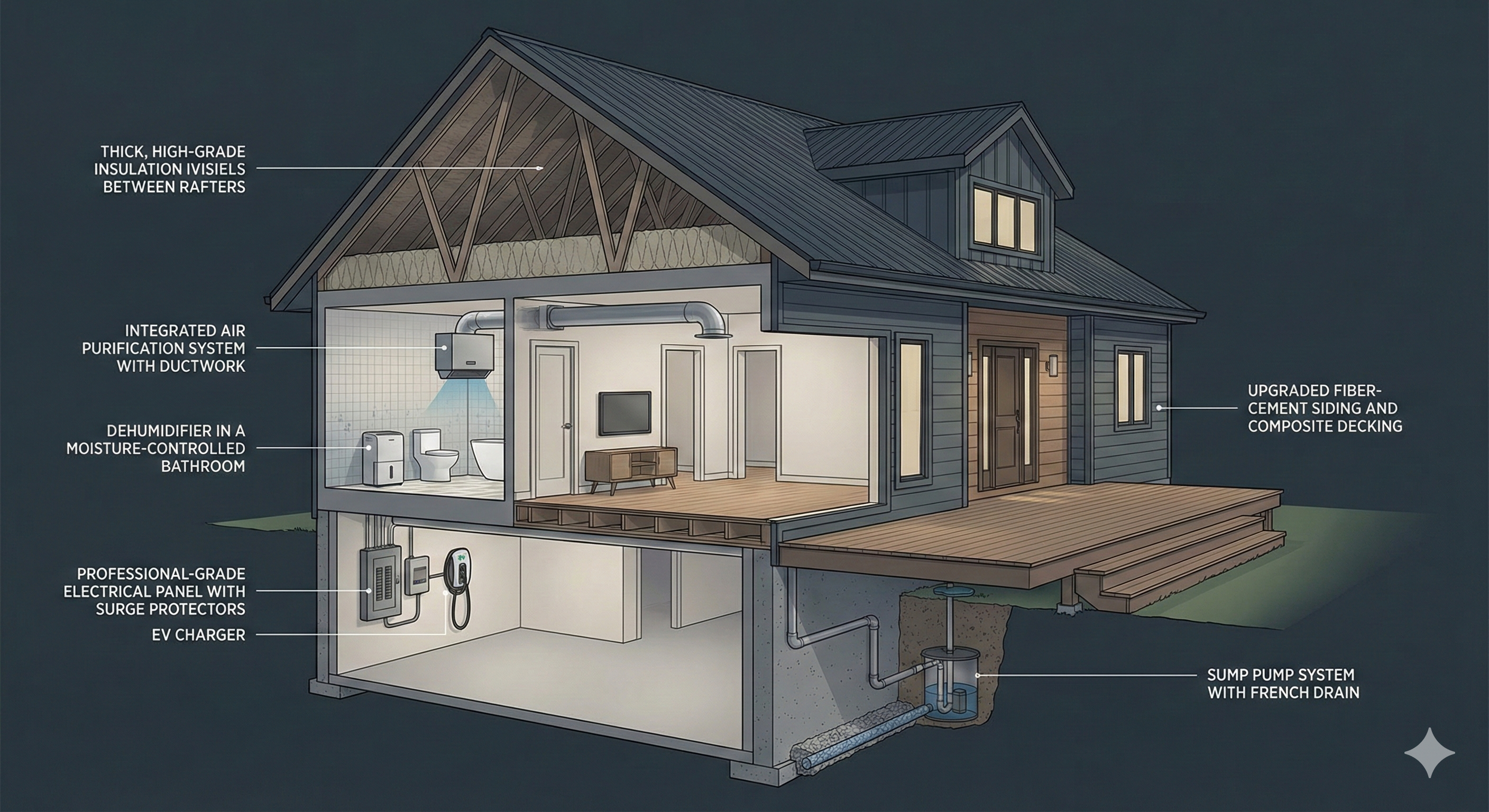
Insulation is one of the most overlooked building features in older homes. Poor insulation leads to higher cooling and heating bills, moisture problems, and uncomfortable indoor temperatures.
What to focus on:
Attic insulation upgrades
Sealing air leaks around windows and doors
Adding insulation to crawl spaces or basements
Why it matters:
A well-insulated home can reduce energy bills by up to 20–40%, making it one of the highest-ROI home upgrades.
2. Moisture Control: Stopping the Most Expensive Household Enemy
Moisture is responsible for structural damage, mold growth, wood rot, and expensive repairs that homeowners rarely expect.
Smart moisture-control upgrades include:
Installing vapor barriers
Insulating pipes to prevent condensation
Upgrading bathroom and kitchen ventilation
Adding a dehumidifier system in damp climates
Why it matters:
Moisture issues silently damage a home. Preventing them early saves thousands in future repairs.
3. Upgrading to Durable, Low-Maintenance Materials
Many homeowners choose materials for appearance—not understanding how important durability is over time.
High-value, low-maintenance improvements:
Fiber-cement siding instead of wood
PVC trim that won’t rot
Composite decking that outlasts natural lumber
Metal roofing with 40+ year lifespans
Why it matters:
Durable materials reduce yearly maintenance costs and increase the long-term value of your home.
4. Smart Electrical Panel Upgrades for Modern Living
Your home’s electrical panel wasn’t built for today’s energy demands—electric cars, high-efficiency appliances, home offices, and more.
Consider upgrading if:
Your panel is more than 25 years old
You’re constantly tripping breakers
You plan to install solar or EV charging
Why it matters:
Upgrading prevents electrical failure, increases safety, and prepares your home for future tech.
5. Foundation and Drainage Improvements: The “Invisible Shield” of Your Home
Water is a home’s biggest long-term threat—but a properly designed drainage system stops problems before they begin.
Drainage solutions worth investing in:
Grading the yard away from the house
Installing a French drain
Extending downspouts away from the foundation
Adding sump pump backup systems
Why it matters:
Foundation repairs can cost up to $30,000. Good drainage prevents most of these issues.
6. Air Quality Upgrades That Change How You Live
We spend 90% of our lives indoors—yet air quality is often ignored in renovations.
High-impact improvements:
Upgraded HVAC filtration
Whole-house air purifiers
ERV/HRV systems for fresh air
Sealed ductwork to prevent dust re-circulation
Why it matters:
Cleaner air means fewer allergies, less dust, and a healthier environment for your family.
Final Thoughts
Home upgrades don’t need to be flashy to be valuable. The best building improvements—insulation, moisture control, durable materials, drainage, and electrical upgrades—work behind the scenes to protect your investment.
For homeowners who want to save money, reduce stress, and increase long-term home value, focusing on these hidden upgrades is one of the smartest strategies you can make.
Expert insights from the Property Studio team on property management, real estate, and digital solutions.