
5 Landlord Mistakes to Avoid: A Guide to Smarter Property Management
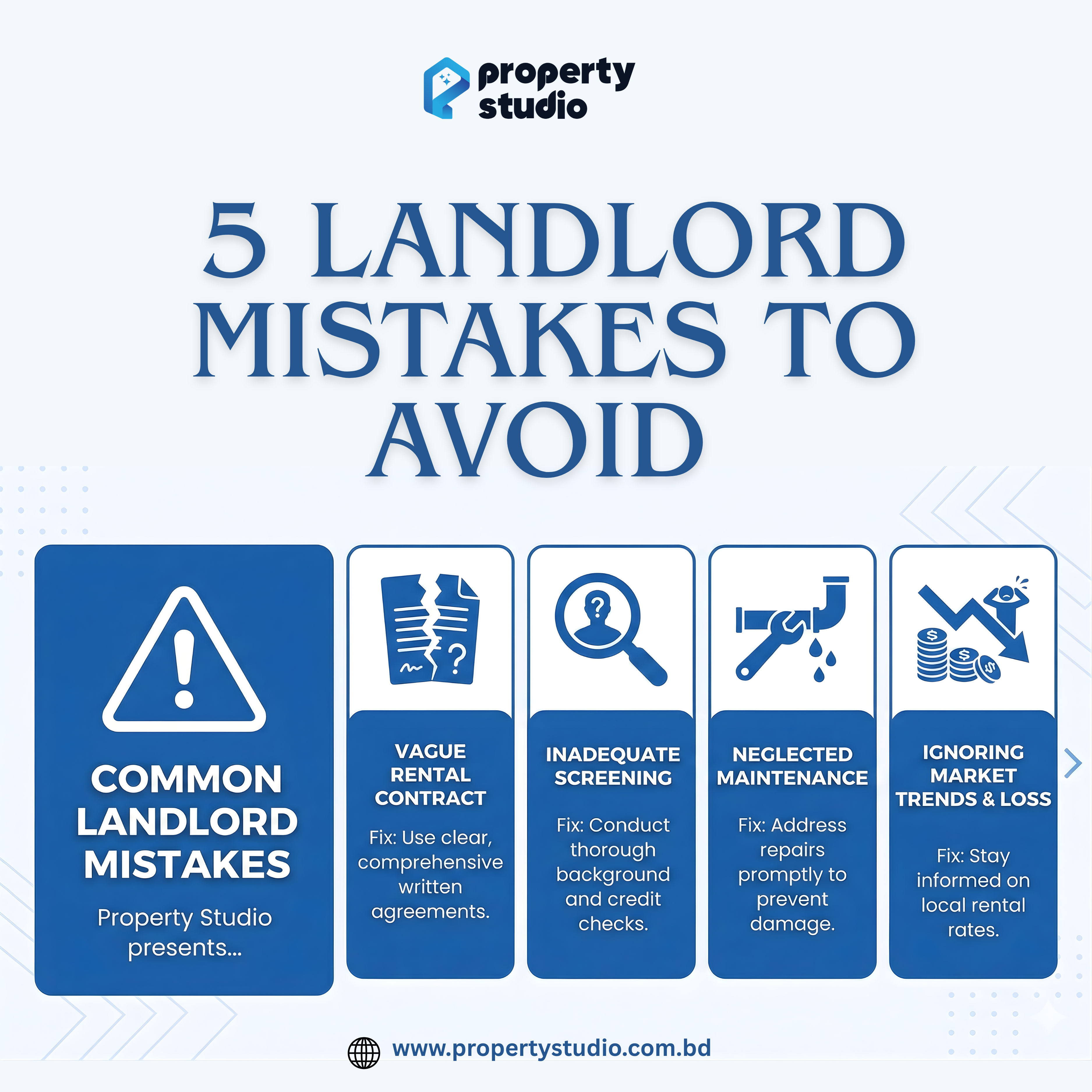
Becoming a landlord is one of the most popular ways to build long-term wealth, but it is not without its hurdles. Many new investors fall into the trap of thinking rental property is "passive income," only to realize that successful management requires diligence, foresight, and a business-first mindset.
Based on the insights from Property Studio, we are breaking down the critical mistakes that cost landlords time, money, and peace of mind—and, most importantly, how to fix them.
1. The Vague Rental Contract
The Mistake: Relying on oral agreements, handshake deals, or downloading a generic, one-page lease template that doesn't cover the specifics of your property.
A vague contract is a ticking time bomb. When expectations aren't written down, they are open to interpretation. Who pays for the broken window? Is subletting allowed? What happens if rent is five days late? If your contract doesn't answer these questions, you are leaving yourself vulnerable to legal disputes and financial loss.
✅ The Fix: Use Clear, Comprehensive Written Agreements
Your lease is your roadmap for the landlord-tenant relationship. It should be ironclad.
- Be Specific: Outline exact rent due dates, late fees, quiet hours, and maintenance responsibilities.
- Custom Clauses: If you have a strict "no pets" or "no smoking" policy, ensure it is explicitly stated.
- Local Compliance: Ensure your contract adheres to local property laws (such as those in Bangladesh if operating locally, or your specific region) to ensure it holds up in court.
Key Takeaway: A detailed contract isn't just paperwork; it’s your primary insurance policy against bad behavior.
2. Inadequate Screening
The Mistake: Rushing to fill a vacancy by accepting the first person who shows up with cash in hand.
An empty unit is stressful, but a bad tenant is a nightmare. Tenants who damage property, disturb neighbors, or refuse to pay rent can cost you months of income and thousands in legal fees. "Gut feeling" is not a screening strategy.
✅ The Fix: Conduct Thorough Background and Credit Checks
Treat tenant placement like a job interview.
- Verify Income: Ensure the tenant earns at least 3x the monthly rent.
- Check References: Call previous landlords. Did they pay on time? Did they leave the place clean?
- Credit & Background: Look for a history of evictions or massive debt that might prevent them from paying rent.
Key Takeaway: It is better to have a unit vacant for an extra month than to spend six months trying to evict a bad tenant.
3. Neglected Maintenance
The Mistake: Ignoring a small drip under the sink or delaying a request to fix a broken handle.
Many landlords view maintenance as a "nuisance cost" to be avoided. However, deferred maintenance almost always leads to two things: much more expensive repairs later (e.g., that drip becomes a rotted floor) and unhappy tenants who will move out as soon as their lease is up.
✅ The Fix: Address Repairs Promptly to Prevent Damage
Adopt a proactive maintenance mindset.
- Response Time: Acknowledge complaints immediately and schedule repairs within 24-48 hours for non-emergencies.
- Regular Inspections: Schedule seasonal inspections to catch issues (like roof leaks or pest problems) before the tenant even notices them.
- Quality Work: Don't use "band-aid" fixes. Fix it right the first time to save money in the long run.
Key Takeaway: Good maintenance is the best tenant retention tool you have.
4. Ignoring Market Trends & Loss
The Mistake: Setting rent based on your mortgage payment or "what you want to make," rather than what the market dictates.
If you price your rental too high above market value, it will sit empty. If you price it too low, you are leaving money on the table and hurting your ROI (Return on Investment). Furthermore, failing to track your expenses (maintenance, taxes, vacancy costs) can lead to "phantom profits," where you think you're making money but are actually operating at a loss.
✅ The Fix: Stay Informed on Local Rental Rates
Real estate is hyper-local.
- Market Research: Look at comparable properties ("comps") in your specific neighborhood. What are they charging? What amenities do they offer?
- Adjust Annually: Review your rent prices every year. Small, incremental increases are better than hitting a tenant with a massive hike after three years of stagnation.
- Track Everything: Use software or a spreadsheet to track every penny spent vs. every penny earned.
Key Takeaway: Treat your property like a business, not a hobby. Let the data drive your decisions.
5. Poor Communication & Relationship Management
(Bonus Mistake: Completing the "5 Mistakes" List)
The Mistake: Treating tenants like adversaries rather than customers.
While the infographic highlights the operational errors, the "invisible" 5th mistake is often behavioral. Being unreachable, rude, or overly aggressive creates a hostile environment. If a tenant is afraid to call you, they won't report that leaking pipe mentioned in Mistake #3.
✅ The Fix: Professionalism and Respect
- Open Lines: Provide a clear way for tenants to reach you (email, text, or portal) and respond during business hours.
- Empathy: Understand that this property is your asset, but it is their home. A little respect goes a long way in ensuring they take care of the place.
- Documentation: Keep written records of all communications to prevent "he said, she said" scenarios.
Key Takeaway: A happy tenant pays on time, stays longer, and takes better care of your property.
Expert insights from the Property Studio team on property management, real estate, and digital solutions.